Investing in the energy sector today requires a strategic approach due to shifting dynamics in global energy markets, technological advancements, and growing environmental concerns.As some stakeholders have been changing their decisions or decreasing their ambitions in the field of energy transition, it is important to understand how investors value this market today.According to Mercom Capital Group, total corporate funding for Smart Grid totalled $1.4 billion in 48 deals in 1stHalf 2025, 13% lower year-over-year (YoY) compared to $1.6 billion raised in 36 deals in 1stHalf 2024. This is already a lot.Venture capital (VC) funding in Smart Grid companies in 1stHalf 2025 came to $1.1 billion in 41 deals, 8% lower Year on Year compared to $1.2 billion raised in 29 deals in 1stHalf 2024. Smart Grid Corporate Funding, after 5 years of continuous increase is slowing down its progression, showing that the market becomes mature.The top five Smart Grid Venture Capital funding deals in first Half 2025 were Believ ($410 million), Connected Kerb ($81 million), Smart Wires ($65 million), Utilidata ($60 million), and GreenWay ($54 million).Debt and public market financing for Smart Grid companies totalled $300 million in seven deals in 1stHalf 2025, compared to seven deals worth $321 million in 1stHalf 2024. There were four M&A transactions involving Smart Grid companies in 1stHalf 2025 compared to three transactions in 1stHalf 2024.What does this mean? That investors continue to believe in the energy transition technologies, such as batteries: 66 billion dollars for 1sthalf 2025 (IEA), renewable energies, where investors have doubled their investment efforts in 10 years ( 374bn dollars to 780 today) and energy efficiency (302 to 429 bn dollars in 10 years)What is the European commission contribution to this effort ?For decades, EU has promoted R&D and progressively , through the European agency for SMEs has developed a whole process to support innovative companies.The EIC Scaling Club (funded three years ago) is an EIC-funded curated community where 100+ European deep tech scale-ups with the potential to build world-class businesses and solve major global challenges come together with investors, corporate innovators and other industry stakeholders to spur growth. The initiative is run in partnership byTech Tour,Bpifrance(EuroQuity),HelloTomorrow,Tech.eu(Webrazzi),EurAandIESE Business SchoolThe goal of EIC is to:- Grow the value of the companies with tailored coaching sessions, access to relevant business partners and investors and more;-Tackle big societal needs and address new market opportunities in Digital, Mobility & Transportation, Health, Energy & Climate, Materials and more.Recently the EIC scaling club has issued a report in order to help private investors understand where they are going, and giving some insights from the best European experts.1. Renewable EnergySolar Power: Solar energy is booming, especially with the global push for cleaner energy sources. Technological advancements are driving costs down, and government incentives are abundant in many countries.Wind Power: Both onshore and offshore wind energy are rapidly growing industries. Offshore wind, in particular, is expected to see huge growth, especially in Europe and the U.S.Hydropower: While large-scale hydropower has been a staple for decades, small and micro-hydropower projects are gaining traction due to their lower environmental impact and ability to serve local communities.Geothermal Energy: Geothermal plants are highly efficient and provide baseload power, though they are more location-dependent. Investing in geothermal could be lucrative in areas with high geothermal potential (e.g., Iceland, parts of the U.S., and New Zealand).Why Invest: With increasing pressure to reduce carbon emissions and improve energy sustainability, renewable energy is one of the fastest-growing and most promising sectors in energy.2. Energy StorageBatteries: As renewable energy sources like solar and wind are intermittent, energy storage technologies like lithium-ion batteries are critical for grid stability. Companies involved in manufacturing or developing innovative battery solutions (such as solid-state batteries) are well-positioned for growth.Hydrogen Storage: Hydrogen, especially green hydrogen produced from renewable energy, has enormous potential for storing and transporting energy. It can be used in various applications, from industrial processes to heavy transportation.Why Invest: Energy storage is a key enabler for the continued expansion of renewable energy, making it an essential and rapidly growing sector.3. Electric Vehicles (EVs) and Charging InfrastructureEV Manufacturers: Companies like Renault, Rivian, and traditional automakers transitioning to electric vehicles (e.g., GM, Ford) are capitalizing on the global shift toward electrification in transportation.EV Battery Suppliers: Manufacturers of EV batteries (like lithium producers, battery manufacturers, and rare earth miners) stand to benefit from the rapid increase in demand.Charging Infrastructure: As EV adoption grows, so does the need for charging infrastructure. Investing in charging networks or companies supplying EV chargers can provide significant returns.Why Invest: The electrification of transportation is a long-term trend with massive upside potential, particularly with governments pushing for net-zero emissions.4. Clean Tech (Carbon Capture and Storage)Carbon Capture, Utilization, and Storage (CCUS): Technologies aimed at capturing CO2 emissions from industries (including power plants) and either storing them underground or repurposing them for useful products are gaining traction.Direct Air Capture (DAC): Companies developing technologies that directly capture CO2 from the atmosphere (e.g., Climeworks) are also well-positioned for growth as governments and corporations invest in carbon-neutral goals.Why Invest: With increasing regulatory pressure to reduce emissions and meet climate goals, CCUS is a critical part of the energy transition.5. Nuclear EnergySmall Modular Reactors (SMRs): Traditional nuclear energy has faced challenges related to safety concerns, waste disposal, and high upfront costs. However, SMRs represent a more affordable and safer alternative with the potential for low-carbon, baseload power.Fusion Energy: Though still in early stages, fusion energy has the potential to revolutionize the energy sector. Companies working on fusion technology, like Commonwealth Fusion Systems and Tokamak Energy, are getting a lot of attention.Why Invest: Nuclear energy is seen as a necessary component of a low-carbon future, especially as the world seeks reliable, large-scale clean energy sources.6. Energy Efficiency and Smart Grid TechnologiesSmart Grid: As grids become more sophisticated, integrating renewable energy and managing electricity demand becomes more efficient. Companies developing software, hardware, and technologies for grid management, demand response, and energy optimization are poised to grow.Energy Efficiency: Firms offering energy-efficient solutions for buildings, industrial processes, and transportation are in demand. This includes energy-efficient appliances, LED lighting, and HVAC systems, as well as energy management software.Why Invest: With an increased focus on reducing energy consumption and optimizing energy use, these technologies are gaining popularity worldwide.7. Oil and Gas (Transition Companies)Transitioning Oil and Gas Majors: While the long-term growth potential in traditional oil and gas may be limited due to the transition to cleaner energy, many of the large oil and gas companies (e.g., Shell, BP, Total) are investing heavily in renewables, hydrogen, and carbon capture technologies.Natural Gas: As a cleaner alternative to coal, natural gas is expected to play an important role in the energy transition, particularly in regions like Europe and Asia.Why Invest: Large oil and gas companies are diversifying their portfolios and could be well-positioned for the long-term transition to cleaner energy.8. BioenergyBiofuels: With an increased focus on decarbonizing the transportation sector, biofuels like ethanol and biodiesel are gaining popularity, especially as governments mandate renewable fuel standards.Biomass Energy: Companies that convert organic materials into energy are seeing increasing demand, particularly in rural areas where biomass can replace coal in power plants.Why Invest: With governments’ emphasis on reducing carbon emissions from all sectors, bioenergy will continue to be an essential component of the energy transition.Here are the key Considerations to have before investing:Have a look on national policy Support: Government incentives, subsidies, and regulations can play a major role in determining the viability of different energy sectors. Renewable energy, for example, is heavily supported in many parts of the world.Understand technological Maturity: Some energy sectors, like solar and wind, have reached a level of maturity and stability, while others, like fusion or SMRs, are still emerging with higher risk.Be aware of risk and Volatility: The energy sector can be volatile, especially in traditional fossil fuel investments. The geopolitical landscape, commodity price fluctuations, and regulatory changes can heavily impact returns.Fight for environmental Impact: As the world shifts towards sustainability, green investing (ESG – Environmental, Social, Governance) has become a key trend. Focusing on sectors that contribute to reducing global carbon footprints may not only align with ethical values but also offer long-term growth potential.The best sectors to invest in within the energy space today largely depend on the investors risk tolerance and time horizon.Renewables, energy storage, and EV infrastructureare high-growth areas that align with global sustainability trends. On the other hand,nuclear energy, clean tech, and smart grid technologiesrepresent more specialized, yet high-potential, opportunities.
Investing in the energy sector today requires a strategic approach due to shifting dynamics in global energy markets, technological advancements, and growing environmental concerns.
As some stakeholders have been changing their decisions or decreasing their ambitions in the field of energy transition, it is important to understand how investors value this market today.
According to Mercom Capital Group, total corporate funding for Smart Grid totalled $1.4 billion in 48 deals in 1stHalf 2025, 13% lower year-over-year (YoY) compared to $1.6 billion raised in 36 deals in 1stHalf 2024. This is already a lot.
Venture capital (VC) funding in Smart Grid companies in 1stHalf 2025 came to $1.1 billion in 41 deals, 8% lower Year on Year compared to $1.2 billion raised in 29 deals in 1stHalf 2024. Smart Grid Corporate Funding, after 5 years of continuous increase is slowing down its progression, showing that the market becomes mature.
The top five Smart Grid Venture Capital funding deals in first Half 2025 were Believ ($410 million), Connected Kerb ($81 million), Smart Wires ($65 million), Utilidata ($60 million), and GreenWay ($54 million).
Debt and public market financing for Smart Grid companies totalled $300 million in seven deals in 1stHalf 2025, compared to seven deals worth $321 million in 1stHalf 2024. There were four M&A transactions involving Smart Grid companies in 1stHalf 2025 compared to three transactions in 1stHalf 2024.
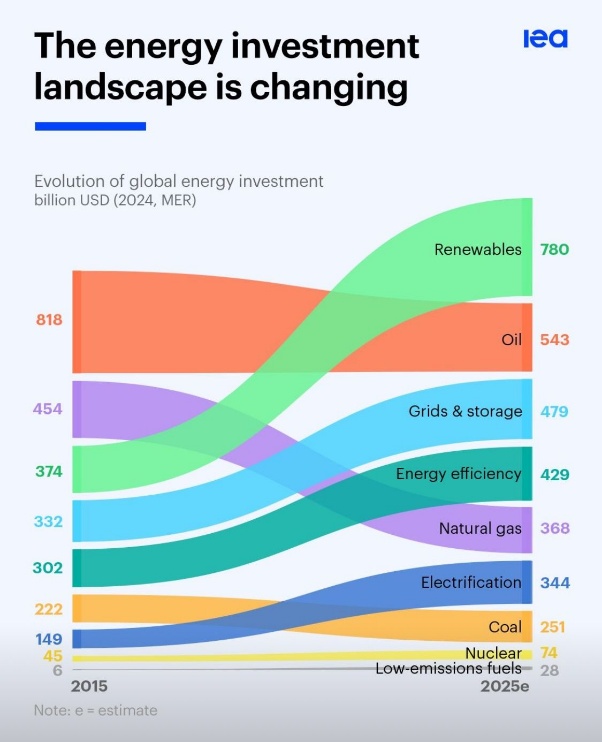
What does this mean? That investors continue to believe in the energy transition technologies, such as batteries: 66 billion dollars for 1sthalf 2025 (IEA), renewable energies, where investors have doubled their investment efforts in 10 years ( 374bn dollars to 780 today) and energy efficiency (302 to 429 bn dollars in 10 years)
What is the European commission contribution to this effort ?
For decades, EU has promoted R&D and progressively , through the European agency for SMEs has developed a whole process to support innovative companies.
The EIC Scaling Club (funded three years ago) is an EIC-funded curated community where 100+ European deep tech scale-ups with the potential to build world-class businesses and solve major global challenges come together with investors, corporate innovators and other industry stakeholders to spur growth. The initiative is run in partnership byTech Tour,Bpifrance(EuroQuity),HelloTomorrow,Tech.eu(Webrazzi),EurAandIESE Business School
The goal of EIC is to:
- Grow the value of the companies with tailored coaching sessions, access to relevant business partners and investors and more;
-Tackle big societal needs and address new market opportunities in Digital, Mobility & Transportation, Health, Energy & Climate, Materials and more.
Recently the EIC scaling club has issued a report in order to help private investors understand where they are going, and giving some insights from the best European experts.
1. Renewable Energy
• Solar Power: Solar energy is booming, especially with the global push for cleaner energy sources. Technological advancements are driving costs down, and government incentives are abundant in many countries.
• Wind Power: Both onshore and offshore wind energy are rapidly growing industries. Offshore wind, in particular, is expected to see huge growth, especially in Europe and the U.S.
• Hydropower: While large-scale hydropower has been a staple for decades, small and micro-hydropower projects are gaining traction due to their lower environmental impact and ability to serve local communities.
• Geothermal Energy: Geothermal plants are highly efficient and provide baseload power, though they are more location-dependent. Investing in geothermal could be lucrative in areas with high geothermal potential (e.g., Iceland, parts of the U.S., and New Zealand).
Why Invest: With increasing pressure to reduce carbon emissions and improve energy sustainability, renewable energy is one of the fastest-growing and most promising sectors in energy.
2. Energy Storage
• Batteries: As renewable energy sources like solar and wind are intermittent, energy storage technologies like lithium-ion batteries are critical for grid stability. Companies involved in manufacturing or developing innovative battery solutions (such as solid-state batteries) are well-positioned for growth.
• Hydrogen Storage: Hydrogen, especially green hydrogen produced from renewable energy, has enormous potential for storing and transporting energy. It can be used in various applications, from industrial processes to heavy transportation.
Why Invest: Energy storage is a key enabler for the continued expansion of renewable energy, making it an essential and rapidly growing sector.
3. Electric Vehicles (EVs) and Charging Infrastructure
• EV Manufacturers: Companies like Renault, Rivian, and traditional automakers transitioning to electric vehicles (e.g., GM, Ford) are capitalizing on the global shift toward electrification in transportation.
• EV Battery Suppliers: Manufacturers of EV batteries (like lithium producers, battery manufacturers, and rare earth miners) stand to benefit from the rapid increase in demand.
• Charging Infrastructure: As EV adoption grows, so does the need for charging infrastructure. Investing in charging networks or companies supplying EV chargers can provide significant returns.
Why Invest: The electrification of transportation is a long-term trend with massive upside potential, particularly with governments pushing for net-zero emissions.
4. Clean Tech (Carbon Capture and Storage)
• Carbon Capture, Utilization, and Storage (CCUS): Technologies aimed at capturing CO2 emissions from industries (including power plants) and either storing them underground or repurposing them for useful products are gaining traction.
• Direct Air Capture (DAC): Companies developing technologies that directly capture CO2 from the atmosphere (e.g., Climeworks) are also well-positioned for growth as governments and corporations invest in carbon-neutral goals.
Why Invest: With increasing regulatory pressure to reduce emissions and meet climate goals, CCUS is a critical part of the energy transition.
5. Nuclear Energy
• Small Modular Reactors (SMRs): Traditional nuclear energy has faced challenges related to safety concerns, waste disposal, and high upfront costs. However, SMRs represent a more affordable and safer alternative with the potential for low-carbon, baseload power.
• Fusion Energy: Though still in early stages, fusion energy has the potential to revolutionize the energy sector. Companies working on fusion technology, like Commonwealth Fusion Systems and Tokamak Energy, are getting a lot of attention.
Why Invest: Nuclear energy is seen as a necessary component of a low-carbon future, especially as the world seeks reliable, large-scale clean energy sources.
6. Energy Efficiency and Smart Grid Technologies
• Smart Grid: As grids become more sophisticated, integrating renewable energy and managing electricity demand becomes more efficient. Companies developing software, hardware, and technologies for grid management, demand response, and energy optimization are poised to grow.
• Energy Efficiency: Firms offering energy-efficient solutions for buildings, industrial processes, and transportation are in demand. This includes energy-efficient appliances, LED lighting, and HVAC systems, as well as energy management software.
Why Invest: With an increased focus on reducing energy consumption and optimizing energy use, these technologies are gaining popularity worldwide.
7. Oil and Gas (Transition Companies)
• Transitioning Oil and Gas Majors: While the long-term growth potential in traditional oil and gas may be limited due to the transition to cleaner energy, many of the large oil and gas companies (e.g., Shell, BP, Total) are investing heavily in renewables, hydrogen, and carbon capture technologies.
• Natural Gas: As a cleaner alternative to coal, natural gas is expected to play an important role in the energy transition, particularly in regions like Europe and Asia.
Why Invest: Large oil and gas companies are diversifying their portfolios and could be well-positioned for the long-term transition to cleaner energy.
8. Bioenergy
• Biofuels: With an increased focus on decarbonizing the transportation sector, biofuels like ethanol and biodiesel are gaining popularity, especially as governments mandate renewable fuel standards.
• Biomass Energy: Companies that convert organic materials into energy are seeing increasing demand, particularly in rural areas where biomass can replace coal in power plants.
Why Invest: With governments’ emphasis on reducing carbon emissions from all sectors, bioenergy will continue to be an essential component of the energy transition.
Here are the key Considerations to have before investing:
• Have a look on national policy Support: Government incentives, subsidies, and regulations can play a major role in determining the viability of different energy sectors. Renewable energy, for example, is heavily supported in many parts of the world.
• Understand technological Maturity: Some energy sectors, like solar and wind, have reached a level of maturity and stability, while others, like fusion or SMRs, are still emerging with higher risk.
• Be aware of risk and Volatility: The energy sector can be volatile, especially in traditional fossil fuel investments. The geopolitical landscape, commodity price fluctuations, and regulatory changes can heavily impact returns.
• Fight for environmental Impact: As the world shifts towards sustainability, green investing (ESG – Environmental, Social, Governance) has become a key trend. Focusing on sectors that contribute to reducing global carbon footprints may not only align with ethical values but also offer long-term growth potential.
The best sectors to invest in within the energy space today largely depend on the investors risk tolerance and time horizon.Renewables, energy storage, and EV infrastructureare high-growth areas that align with global sustainability trends. On the other hand,nuclear energy, clean tech, and smart grid technologiesrepresent more specialized, yet high-potential, opportunities.